

Complete Car Air Conditioning Maintenance Checklist in Deception Bay
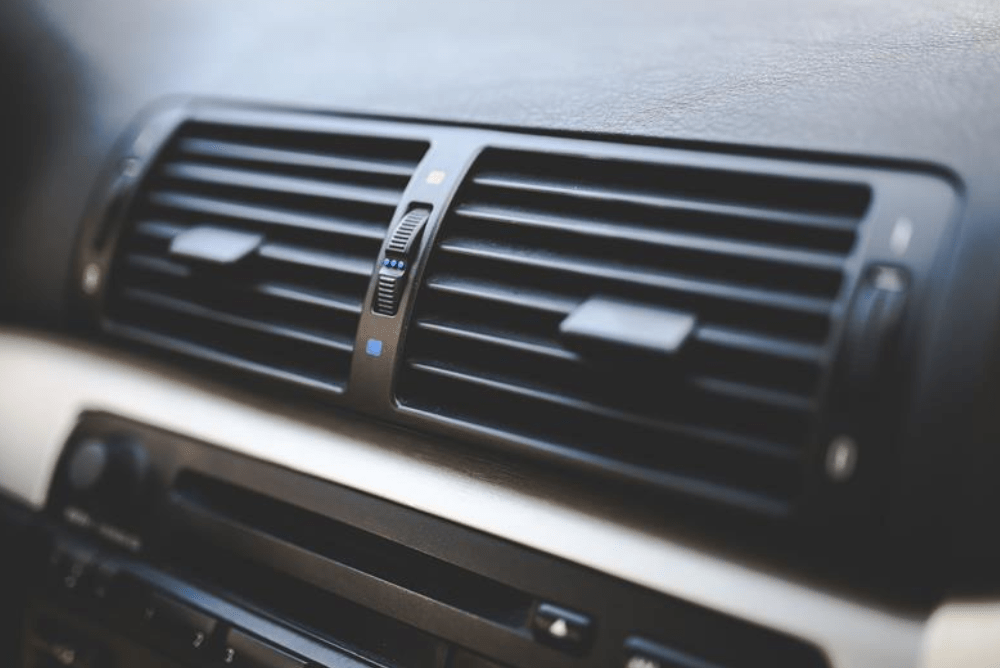
Why Regular Car AC Maintenance Matters
A well-maintained AC system delivers consistent cooling, especially during hot weather. It also helps prevent issues such as refrigerant leaks, compressor failure, and unpleasant odours. Regular checks improve airflow, maintain fuel efficiency, and extend the overall lifespan of the system. Ignoring small problems can lead to bigger and costlier repairs over time.
Check Cooling Performance
Start by turning on the air conditioner and checking how quickly it cools the cabin. The air should become noticeably cold within a few minutes. Weak airflow, uneven cooling, or warm air are early warning signs that something isn’t working correctly and should be inspected.
Inspect Refrigerant (Gas) Levels
Refrigerant is essential for cooling performance. Low gas levels reduce efficiency and can damage the compressor if left unchecked. While refrigerant does not naturally run out, leaks can occur over time. If cooling performance drops, a professional pressure test can confirm whether a recharge or repair is needed.
Examine the AC Compressor
The compressor acts as the main driving component of the AC system. When the AC is switched on, listen for unusual noises such as clicking, grinding, or rattling. These sounds may indicate internal wear. A faulty compressor can affect the entire system, so early detection is important.
Check Belts and Hoses
Belts and hoses connect key AC components and must remain in good condition. Look for cracks, fraying, or looseness in belts, and inspect hoses for leaks or swelling. Damaged belts or hoses should be replaced immediately to prevent sudden system failure.
Clean or Replace the Cabin Air Filter
The cabin air filter traps dust, pollen, and debris before air enters the vehicle interior. A clogged filter reduces airflow and causes bad odours. Replacing the filter every 12–15 months improves cooling performance and keeps cabin air clean and fresh.
Inspect the Condenser and Cooling Fans
The condenser helps release heat from the refrigerant. Built-up dirt and debris can block air movement, reducing overall cooling efficiency. Ensure the condenser is clean and that cooling fans operate correctly when the AC is running, especially at low speeds.
Check Electrical Components
Electrical faults can prevent the AC from functioning properly. Inspect fuses, relays, and wiring connections. If the AC doesn’t respond when switched on or cuts out intermittently, electrical testing may be required to identify the issue.
Look for Water Leaks or Odours
Water leaking inside the cabin usually indicates a blocked drain pipe, while musty smells suggest mould or bacteria buildup. These issues affect comfort and air quality and should be addressed through cleaning or professional AC sanitising.
Schedule Professional AC Servicing
A professional car AC service once a year ensures thorough inspection, leak detection, pressure testing, and system optimisation. Regular servicing helps catch hidden issues early and keeps the system running efficiently year-round.
Conclusion
Following a complete car air conditioning maintenance checklist helps maintain strong cooling performance, better air quality, and long-term reliability. Regular inspections and timely servicing ensure your AC system stays efficient, comfortable, and ready for every drive.
Frequently Asked Questions (FAQs)
How often should car air conditioning be serviced?
Car air conditioning should be checked every 6 months and fully serviced once a year. Regular servicing helps detect refrigerant leaks, worn components, and airflow issues early. Annual servicing improves cooling performance, prevents unexpected breakdowns, and extends the life of the AC system, especially in hot climates.
Why is my car AC blowing warm air?
Warm air usually indicates low refrigerant levels, a faulty compressor, blocked condenser, or electrical issues. It can also happen due to leaks in hoses or damaged belts. A professional inspection can identify the exact cause and prevent further damage to the system.
Does car AC gas need refilling regularly?
No, car AC gas does not need routine refilling. Refrigerant only needs to be topped up if there is a leak or reduced cooling performance. Frequent refills without fixing leaks can damage the compressor and increase repair costs.
What causes bad smells from car air conditioning?
Bad odours are commonly caused by mould or bacteria buildup in the evaporator or a clogged cabin air filter. Moisture trapped in the system creates an ideal environment for germs. Cleaning the system and replacing the cabin filter usually resolves this issue.
Can a poorly maintained AC affect fuel efficiency?
Yes. A poorly maintained AC system makes the engine work harder to achieve cooling, increasing fuel consumption. Issues like low refrigerant, blocked filters, or faulty compressors reduce efficiency and place extra strain on the engine.
Is it safe to run car AC during winter?
Yes. Running the AC occasionally during winter helps maintain system lubrication, prevents seals from drying out, and reduces moisture buildup. It also helps clear fog from windows quickly, improving driving visibility and safety.